
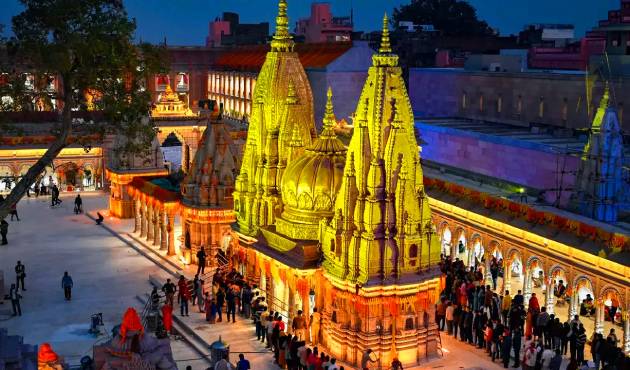
One of the oldest, richest, and holiest shrines of India is located in the sacred city of Varanasi and is known as Shri Kashi Vishwanath Temple. Named Kashi, due to the ancient name of Varanasi, the glorious temple commemorates the mighty Lord Shiva and is a part of the 12 Jyotirlingas. Thousands of devotees travel from miles away to witness its soothing spiritual ambiance and seek blessings from their god. Sun glistens on the towering spires and domes made out of pure gold. As you walk through the gates, you can hear the soft rushing sounds of river Ganges nearby. Miniature shrines of various Hindu deities encircle the main hall of Sabha Griha.
Dashashwamedh Ghat is known for conducting the liveliest aartis along the holy river Ganga to immerse the visitors into divine bliss. A prominent member of the tourist attractions in Varanasi, Dashashwamedh Ghat, got its name due to the legend of Lord Brahma sacrificing 10 horses, or das Ashwamedh, in order to perform a yajna. Every sunset, the ghat gets illuminated by the light of diyas lit to commence the sacred rituals. Priests gather and chant prayers in unison as they move the diyas in circles and pay their obeisance to the god. A huge crowd gathers to participate in this ceremony.
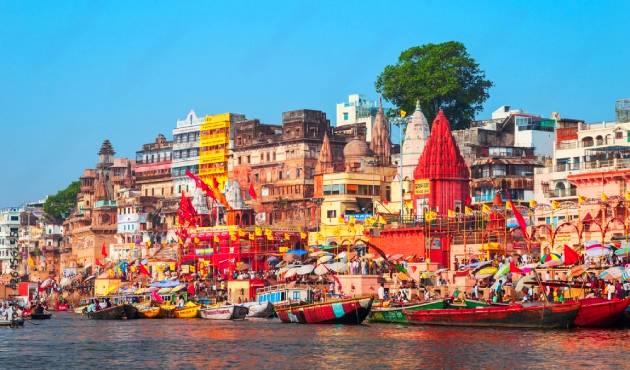
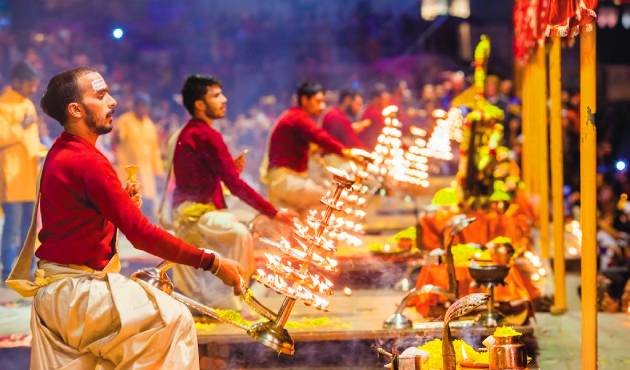
Ganga Aarti is an important ritual held on a grand scale every morning and evening on the banks of the holy Ganges. The priests perform the Aarti at Dashashwamedh Ghat. The entire Ghat gets illuminated with a divine light that can be felt strongly. The magnificent ritual involves huge brass lamps lit with oil and the priests chant the holy mantras that reverberate in the entire location. As dusk descends, the ghats of Varanasi come alive with the vibrant Ganga Aarti. Priests, clad in traditional attire, choreograph the ritual with synchronized movements
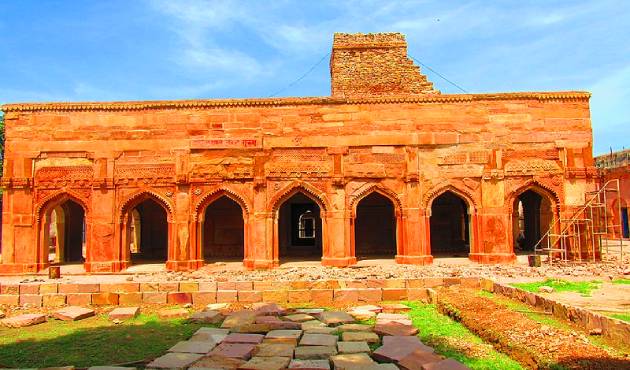
This is a small fort located on the little diversion between Varanasi and Prayagraj, and it has played a significant role in shaping the history of India. The fort is situated on the banks of river Ganga and is also called Tilismi Quila or Magical Fort because it was featured in the novel “Chandrakanta”. Some of the most popular movies, like Gangs of wasseypur were also shot here. The Fort has witnessed the reign of several dynasties such as the Mauryans, Gupta dynasty of the Mughals, etc.
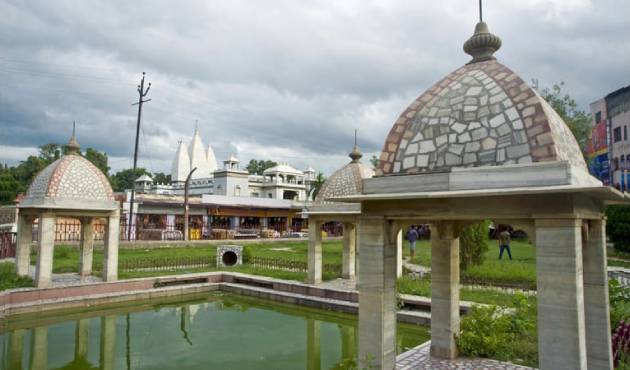
Pearly white facade greets the eyes as one walks through the lush green gardens of Tulsi Manas Temple. Constructed in 1964 by the Thakur Surekha Das family, the marble structure of this temple is renowned for its mesmerizing architecture. Believed to be the site where the ancient poet Tulsidas sat to pen down the holy epic of Ramcharitmanas, this temple is now one of the most revered religious places to visit in Varanasi. Symbolizing the grace and simplicity of the Hindu religion, Tulsi Manas Temple celebrates the glorious journey of Lord Rama and his wife, Goddess Sita.
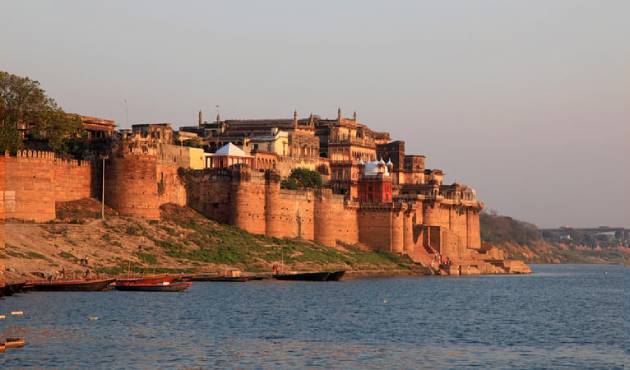
Resting near the quiet shores of River Ganges is the majestic historical monument of Ramnagar Fort. Chunar sandstone forms the foundation of this creamy colored structure, which was built as the residential fort of Raja Balwant Singh. Even today, it houses the present Maharaja of Varanasi, whose residential quarters are separated from the rest of the fort. Two temples worshipping Lord Hanuman and Veda Vyasa are present inside the complex. Verdant gardens, fountains, elaborate halls, carved balconies, and decorated courtyards mark the beautiful features of its Mughal architecture.
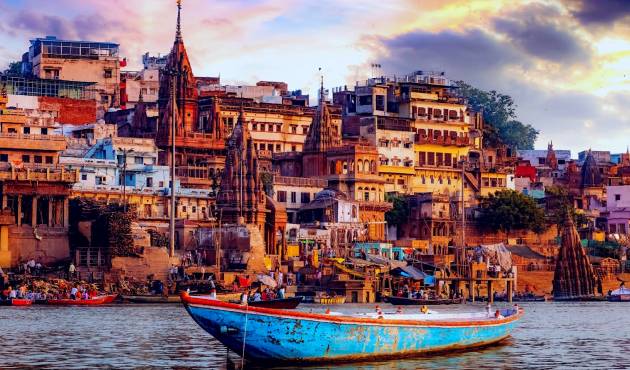
The Manikarnika Ghat is one of the oldest ghats in Varanasi. It is mentioned in a Gupta inscription of 5th century. It is revered in Hinduism. When Mata Sati (Adi Shakti) sacrificed her life and set her body ablaze after Raja Daksh Prajapati (one of the sons of Brahma) tried to humiliate Shiva in a Yagya practiced by Daksh, Shiva took her burning body to the Himalaya. On seeing the unending sorrow of Shiva, Vishnu sent the Divine chakra to cut the body into 51 parts, which then fell to earth. These are called "Ekyavan Shaktipeeth". Shiva established Shakti Peeth wherever Sati's body had fallen. Mata Sati's ear ornament fell at Manikarnika Ghat.